Bhuban Pahar, located in the Barak Valley region of Assam, stands as a significant sacred landscape for the Zeliangrong Nagas. This article explores the cultural, religious, and historical importance of Bhuban Hill, tracing its association with indigenous belief systems, syncretic traditions, and anti-colonial resistance led by figures such as Haipou Jadonang and Rani Gaidinliu.
The Zeliangrong: A Shared Cultural World
The term Zeliangrong collectively refers to three cognate Naga communities:
- Zeme (Ze)
- Liangmai (Liang)
- Rongmei (Rong)
These groups share common linguistic roots, cultural practices, and ancestral traditions, and are distributed across present-day Assam, Nagaland, and Manipur. The idea of Zeliangrong identity reflects not only ethnic affinity but also a shared religious worldview rooted in ancestral worship and sacred geography.
Bhuban Pahar and the Sacred Geography
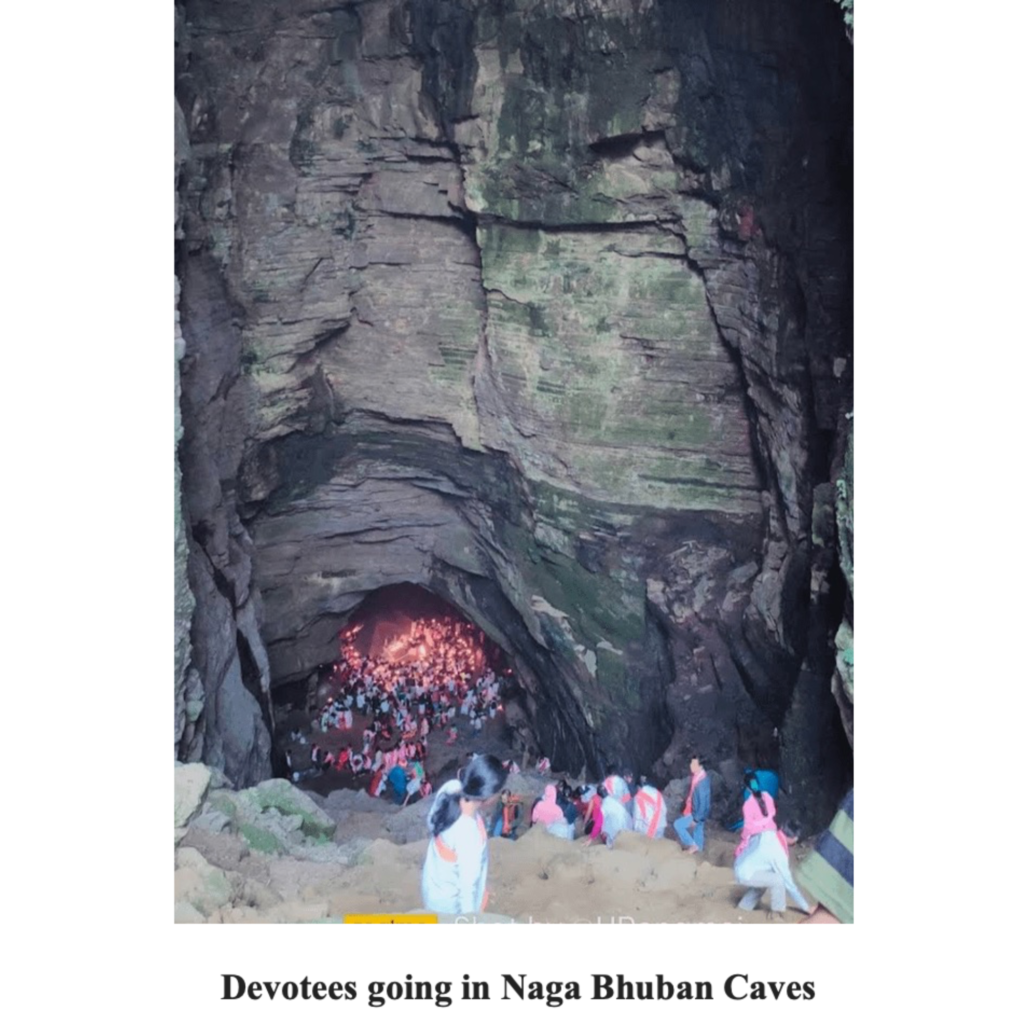
The name “Bhuban” is believed to derive from the Rongmei term Pubuan, associated with Apoubaomei Bhuanchaniu, a deity revered within the Zeliangrong religious system. Bhuban Hill is regarded as the divine abode of this deity, making it a focal point of pilgrimage and ritual life.
At the heart of this sacred landscape lies the Naga Bhuban Cave, also known as the Naga Cave, where devotees gather annually. During the full moon night in February (Jalua), Zeliangrong pilgrims from across Northeast India undertake a journey to this site, reaffirming spiritual ties and communal identity.
A syncretic layer is visible in the popular reference to “Bhuban Baba,” which reflects a blending of indigenous beliefs with elements of Shaivism, particularly the association with Shiva. Local traditions also speak of a subterranean connection between Bhuban Cave and Kamakhya Temple, though this remains part of oral lore rather than verified geography.
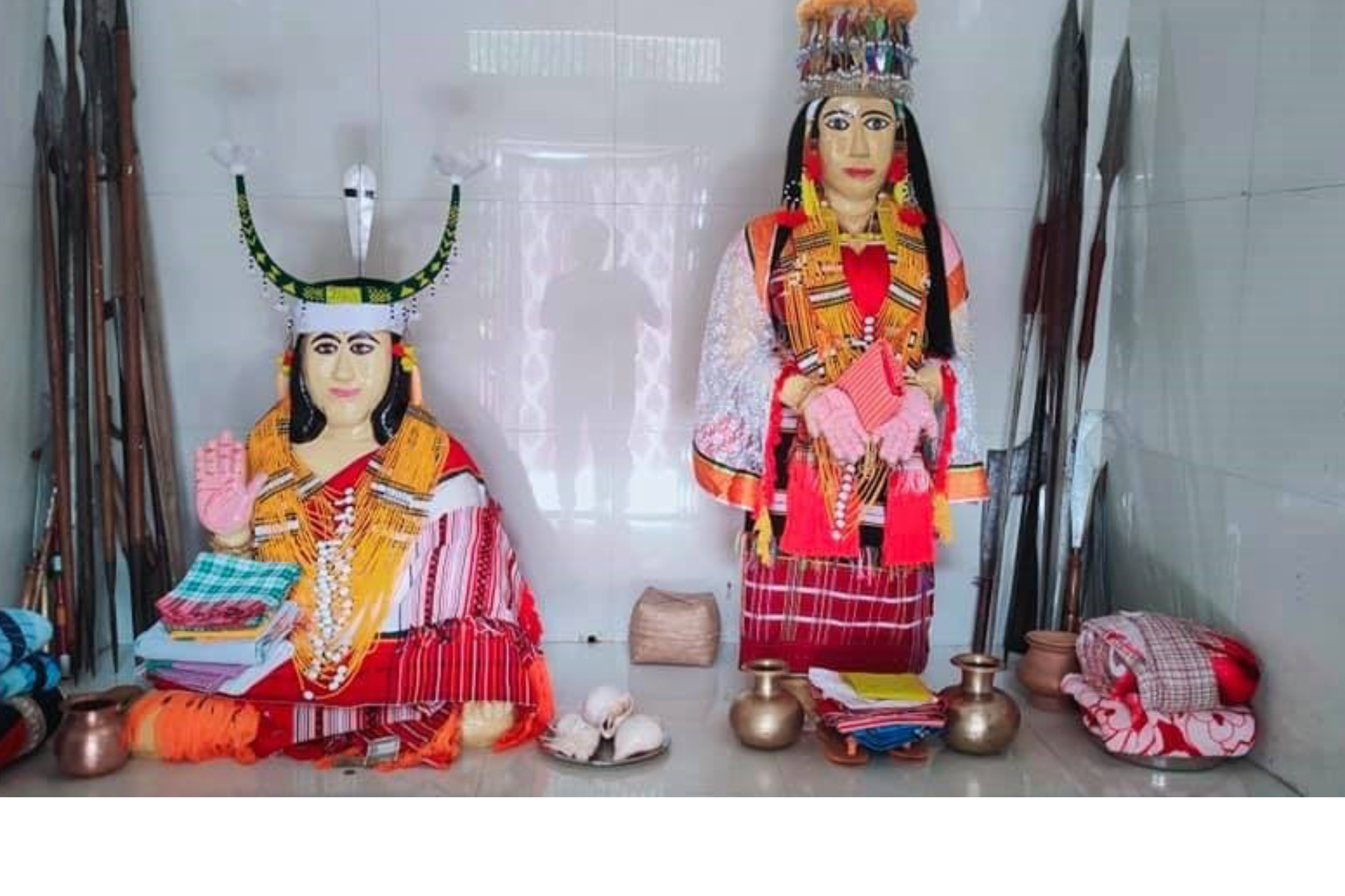
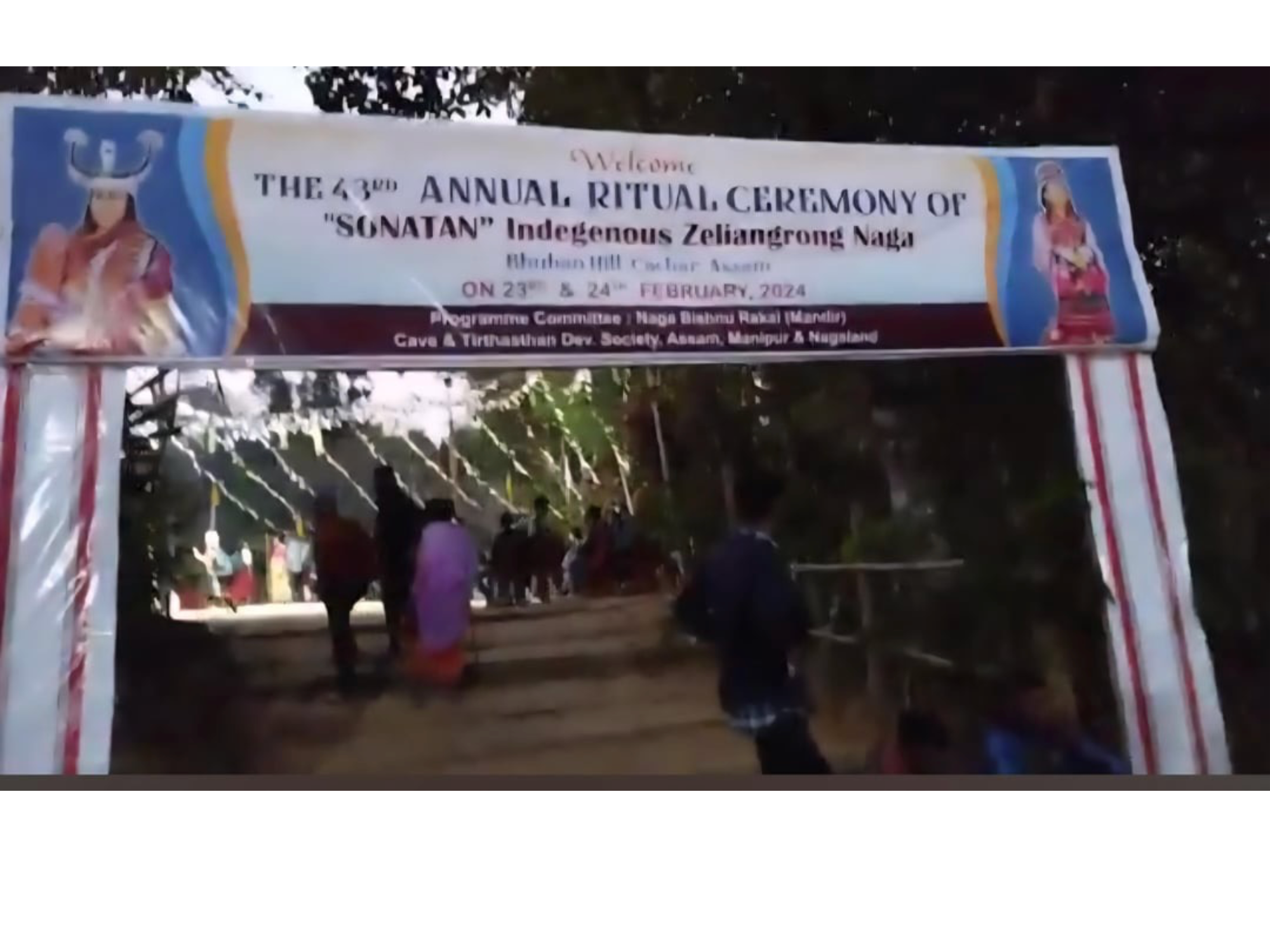
Additionally, the presence of the Naga Bisnu (Vishnu) Rakai temple on Bhuban Pahar highlights another layer of religious synthesis, incorporating Vaishnav elements into the sacred landscape.
Spiritual Revival and Anti-Colonial Resistance
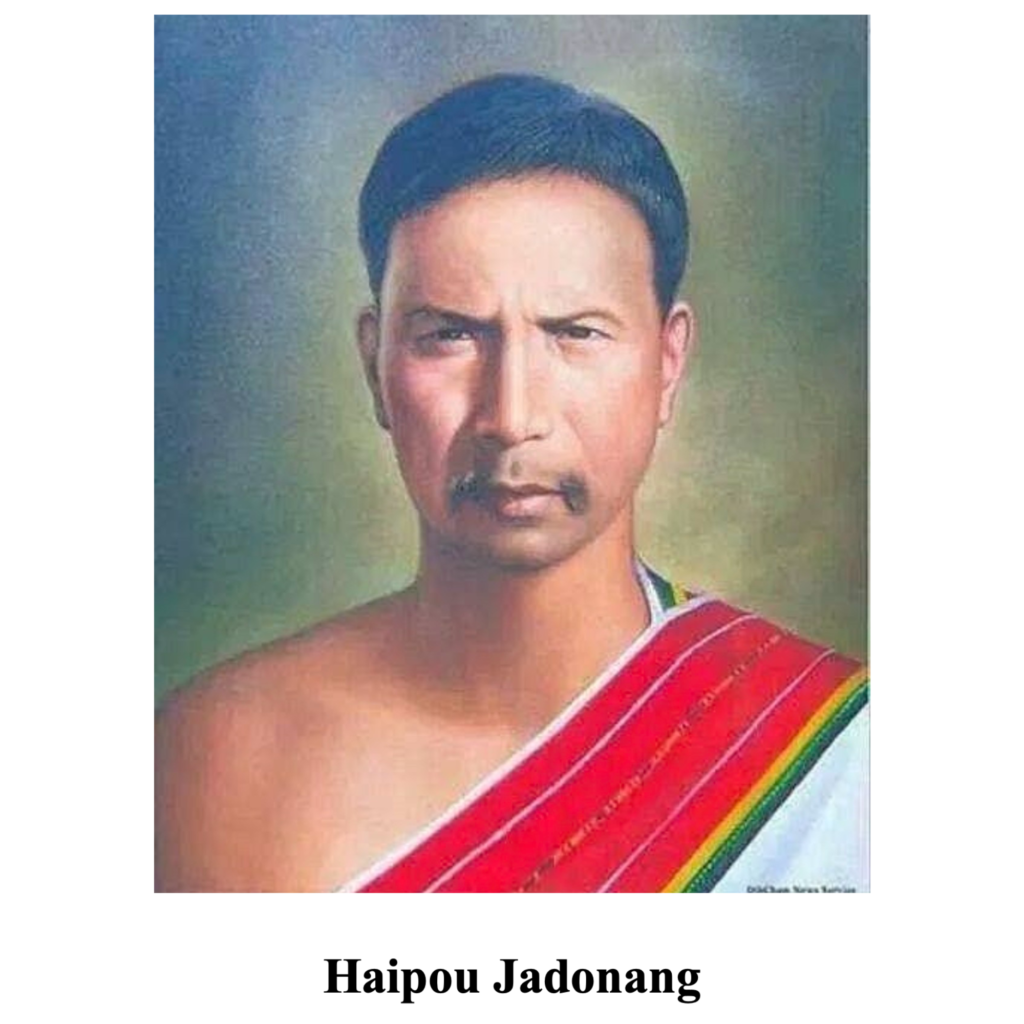
In the early 20th century, Haipou Jadonang emerged as a pivotal figure in reviving indigenous religious practices centered around Bhuban. He spent extended periods meditating in the caves, envisioning a cultural and spiritual resurgence among the Zeliangrong people.
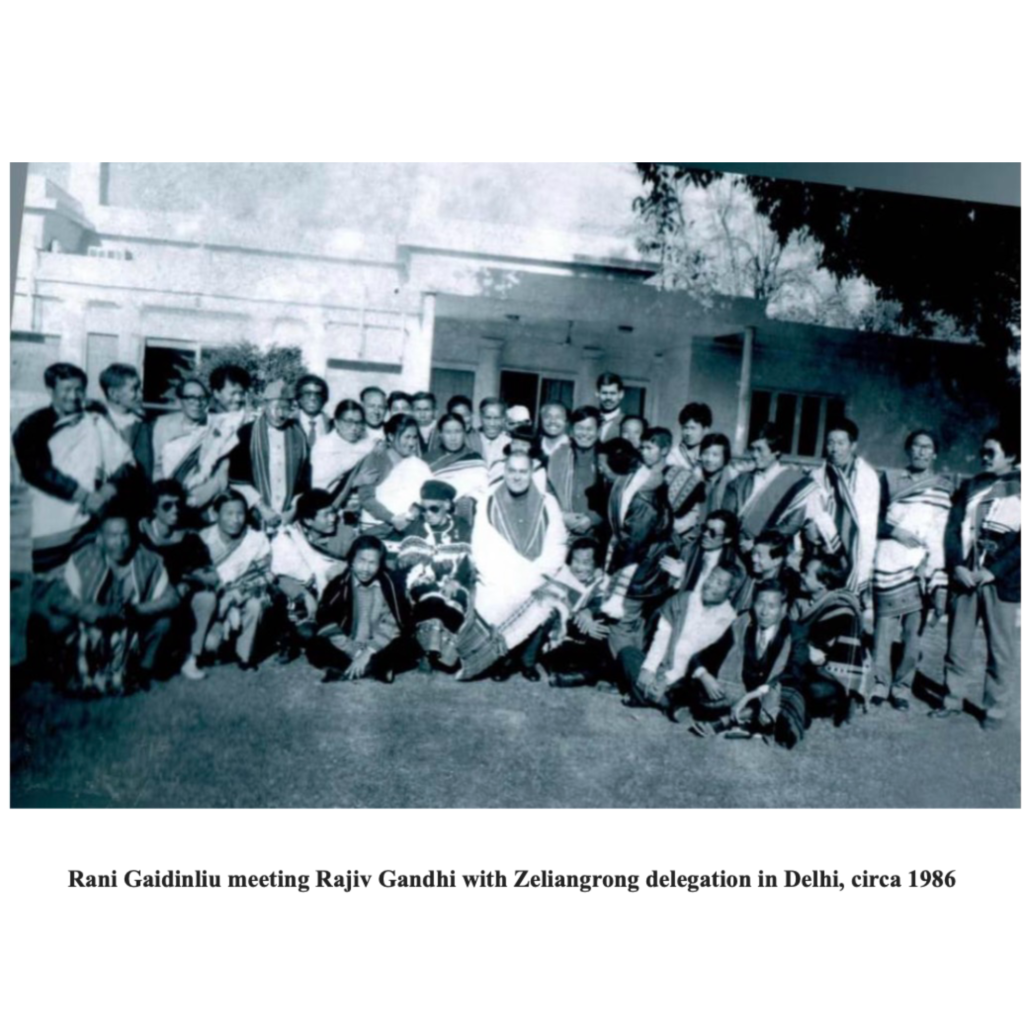
His legacy was carried forward by Rani Gaidinliu, who became both a spiritual and political leader. Beginning her resistance at a young age, she led an armed struggle against British colonial rule. Her courage earned her the title “Rani” from Jawaharlal Nehru.
Together, Jadonang and Gaidinliu transformed Bhuban from a purely धार्मिक site into a symbol of resistance, identity, and self-determination.
Contemporary Tensions and Cultural Continuity
Bhuban Pahar continues to be a site of deep cultural importance for the Zeliangrong community. However, like many indigenous sacred spaces, it has also become a point of contestation, with differing religious and political influences attempting to shape its identity.
Despite these challenges, the annual pilgrimage and enduring oral traditions ensure that Bhuban remains a living cultural landscape, embodying both continuity and change.
Conclusion
Bhuban Pahar is more than a geographical feature—it is a nexus of spirituality, identity, and history for the Zeliangrong people. From ancient worship of Apoubaomei Bhuanchaniu to its role in anti-colonial resistance, the hill encapsulates the layered complexity of Northeast India’s cultural heritage.
References
- Choudhury, J. (1991). [Reference to Bhuban Cave traditions]
- “Hindu Zeliangrong Nagas of North East Bharat.” MyInd.
- University of Edinburgh. History, Pilgrimage and Amplifying Difference at Bhuban Hill.
- Oral traditions of Zeliangrong communities