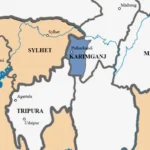
The kingdom of Harikela (হরিকেল) was an important polity of ancient eastern Bengal, flourishing between the 7th and 12th centuries CE. It maintained a continuous existence for nearly 500 years and is believed to have included parts of present day Cachar and adjoining regions.
The 11th century lexicographer Hemachandra described Harikela as part of Vanga in his work Abhidhanachintamani. Similarly, the philosopher Yadava Prakasa also placed Harikela within the cultural and geographical sphere of Vanga. Earlier references to the kingdom are found in the accounts of 7th century Chinese travellers Yijing and Xuanzang.
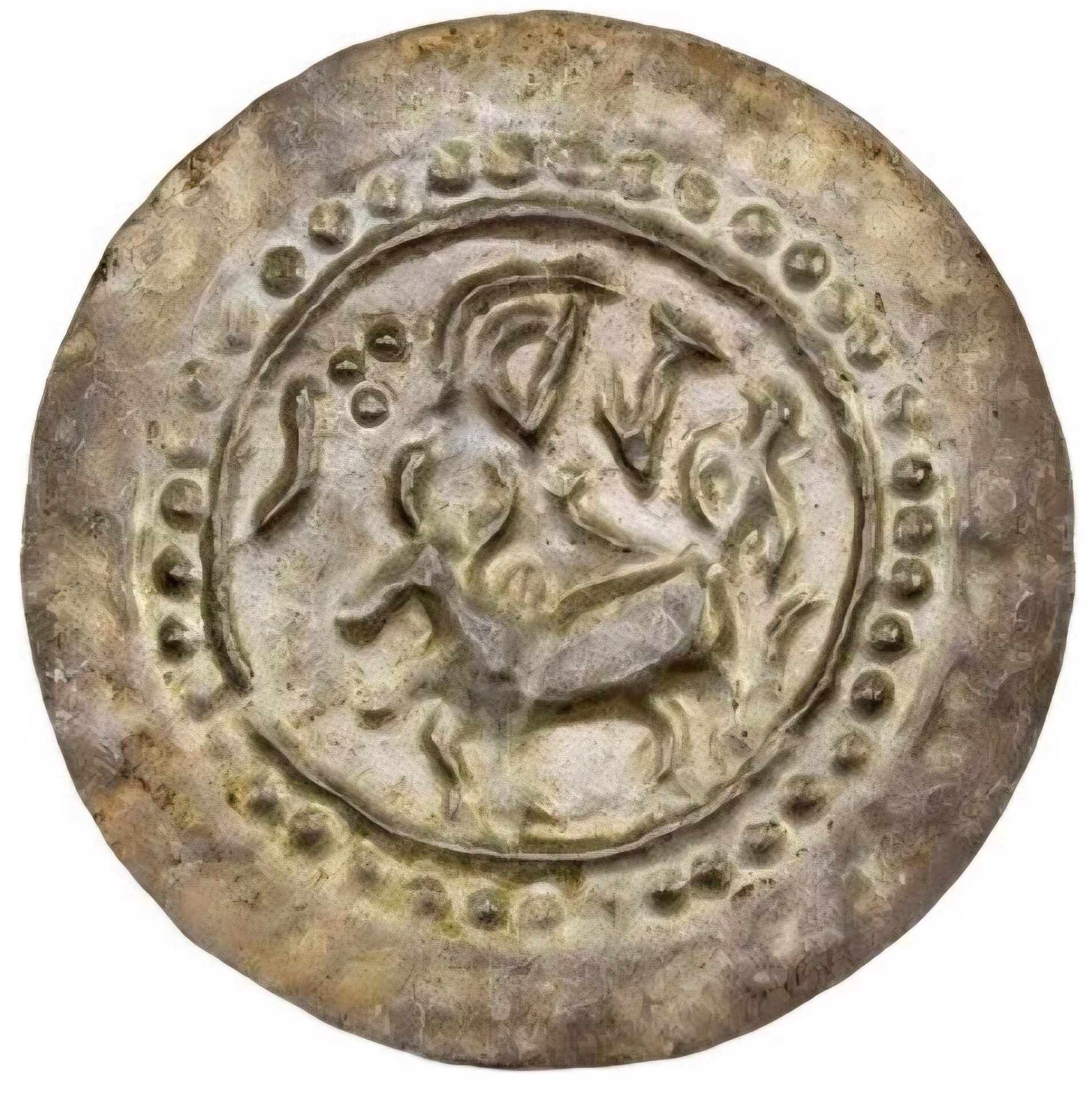
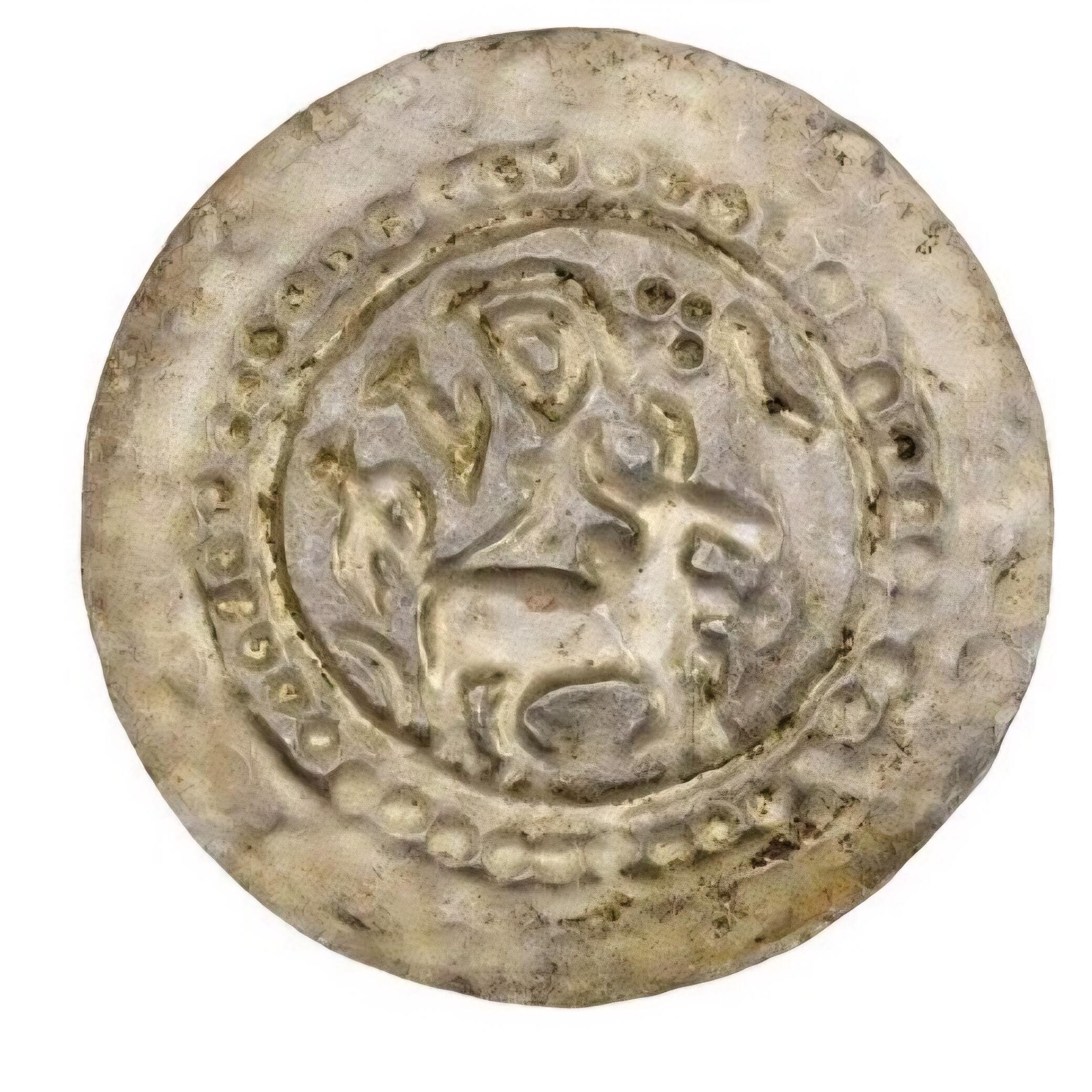
Unlike many contemporary North Indian kingdoms that gradually shifted towards barter based systems, Harikela sustained a high purity silver coinage tradition. As the coinage evolved into its intermediate phase around the 8th to 10th centuries, the coins became thinner and broader. These specimens prominently feature inscriptions in early Gaudiya script, identifiable by the presence of the horizontal headbar or matra, marking an early stage in the development of eastern Indo Aryan scripts, in contrast to earlier Brahmi forms where the headbar is minimal or absent.
A notable feature of these coins is the appearance of inscriptions such as Veraka or Viraka. Most scholars interpret these as references to specific administrative regions or minting centres within the Harikela polity. The presence of such place based identifiers suggests a decentralized minting system, where multiple regional centres operated under the broader authority of Harikela.
Philologically, Veraka is often considered a variation of Baraka, which may be linked to the Barak Valley. This has led to the suggestion that the political and economic influence of Harikela extended into parts of present day southern Assam. The transition from Veraka or Viraka to Baraka can be understood through phonetic shifts characteristic of early eastern Indo Aryan and proto Bengali dialects, where the interchange between V and B sounds is well attested, similar to how Vanga evolved into Banga.
In Sanskrit, Viraka carries the meaning of a heroic figure, offering another possible linguistic root for the term. Consequently, one proposed origin of the name Barak may lie in this Sanskrit derivation, alongside other theories such as the commonly cited Dimasa origin Bra or Kro.
The classification of Veraka or Viraka inscriptions as Proto Bengali in academic literature is largely due to Harikela’s geographical location in Bengal and the use of Gaudiya script on its coinage. In contrast, the development of Proto Assamese is more closely associated with the script evolution under the Kamarupa rulers in the Brahmaputra Valley.
Sources
https://en.numista.com/L100682
https://en.wikipedia.org/wiki/Harikela
The History and Coinage of South East Asia Until the Fifteenth Century by Michael Mitchiner Abhidhanachintamani – Hemachandra