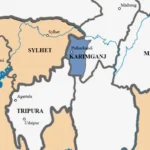
Tucked away in southern Assam, the Barak Valley is often overlooked in mainstream historical narratives. Yet, beneath its quiet landscapes lies a rich past shaped by powerful kingdoms, cultural exchanges, and unique political transitions.
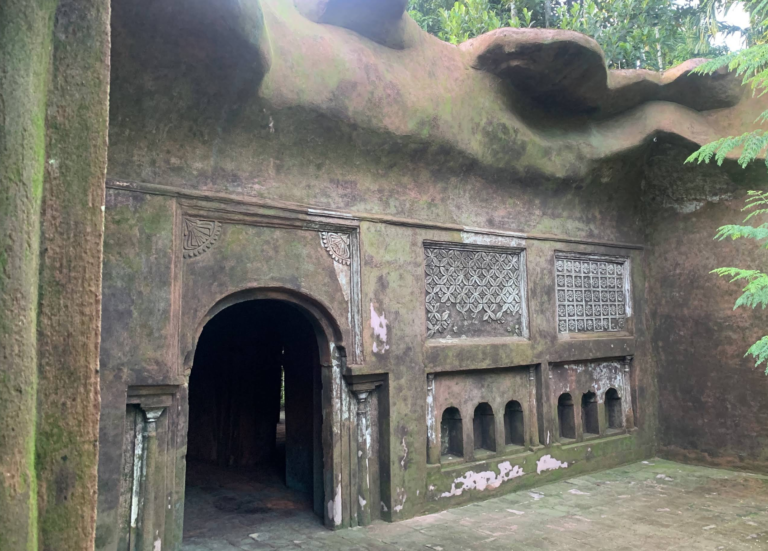
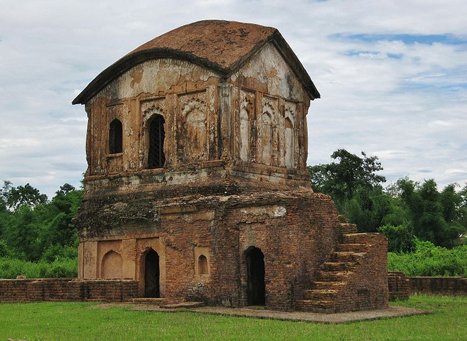
From the expansion of the Koch kingdom in the 16th century to the rise of Dimasa rule through diplomacy rather than conquest, the region tells a story rarely highlighted in Indian history. At the heart of this transformation stood Khaspur—a once-thriving capital that today survives only in ruins.
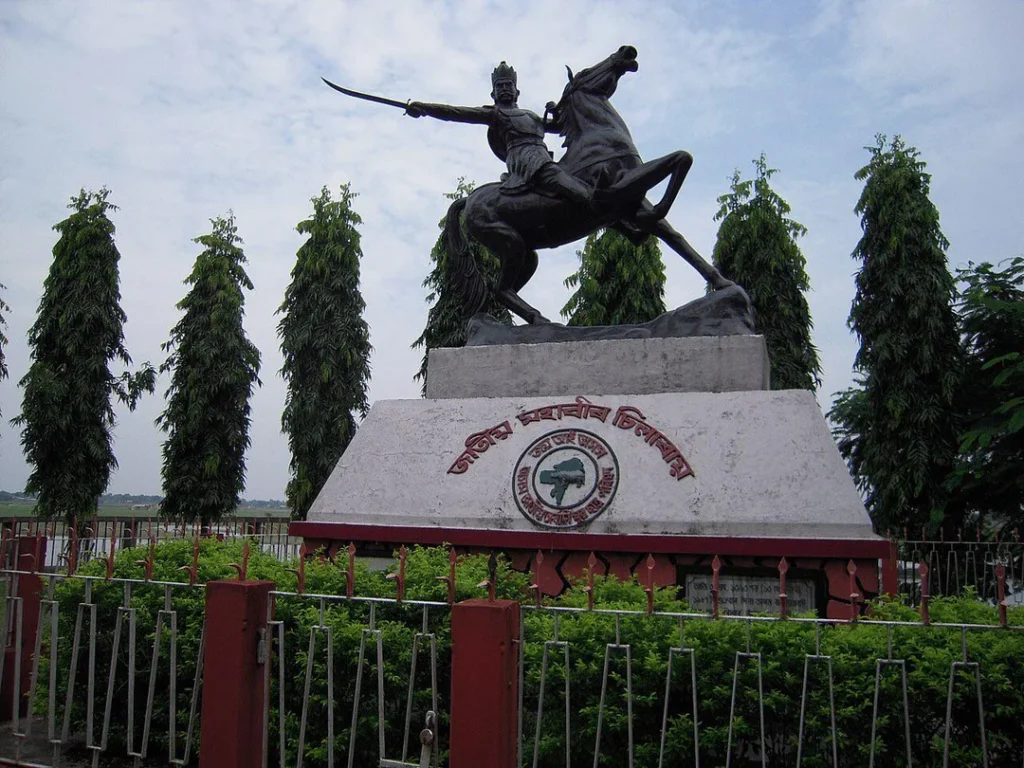
The turning point in Barak Valley’s history came in 1562, when the legendary Koch general Chilarai led a successful अभियान against the Twipra Kingdom. This victory marked the extension of Koch power into the region.
The Koch Conquest (1562): Beginning of a New Era
Following the conquest, a garrison was established at Brahmapur. Over time, this settlement evolved into Kochpur and eventually became known as Khaspur. Under the broader authority of Nara Narayan, the region was integrated into one of the most powerful kingdoms of Northeast India at the time.
Rise of Khaspur and the Dheyans
To administer the newly acquired territory, Kamal Narayan, stepbrother of Chilarai, was appointed as Dewan. He laid the administrative foundation at Khaspur, transforming it into a regional center of governance.
Over time, his descendants—known as the Dheyans—asserted autonomy and established an independent line of Koch rulers in the Barak Valley. For nearly two centuries, they governed the region, maintaining political stability while fostering local development.
Khaspur grew in importance during this period, functioning as both a political and cultural hub.
Cultural Transformation Under Koch Rule
The Koch period significantly shaped the demographic and cultural identity of the Barak Valley. With the expansion of Koch authority came the migration of Bengali-speaking communities, Brahmins, and artisans into the region.
This led to:
- Expansion of settled agriculture
- Introduction of new administrative and land systems
- Spread of Brahmanical religious practices
At the same time, indigenous communities continued to influence local traditions, resulting in a unique cultural blend that still defines the valley today.
The Dimasa Transition (1745–1755): Power Through Alliance
Unlike many political changes in history, the end of Koch rule in Khaspur was not marked by war. Instead, it occurred through a strategic marital alliance.
Between 1745 and 1755, the daughter of the last Koch ruler was married into the Kachari Kingdom. This alliance led to a peaceful transfer of power, bringing the Barak Valley under Dimasa control.
This moment stands out as a rare example of diplomacy reshaping political boundaries in the region.
Khaspur as the Dimasa Capital
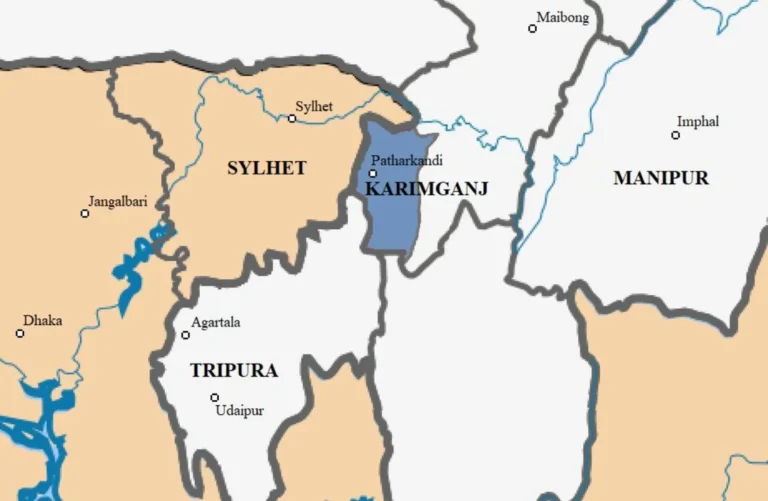
Following the transition, the Dimasa rulers shifted their capital from Maibong to Khaspur. This marked a significant shift—from a hill-based kingdom to a plains-centered सत्ता.
The Dimasas adapted quickly, incorporating elements of Hindu kingship while retaining their distinct identity. Their rule further enriched the region’s cultural landscape and strengthened Khaspur’s importance as a राजधानी.